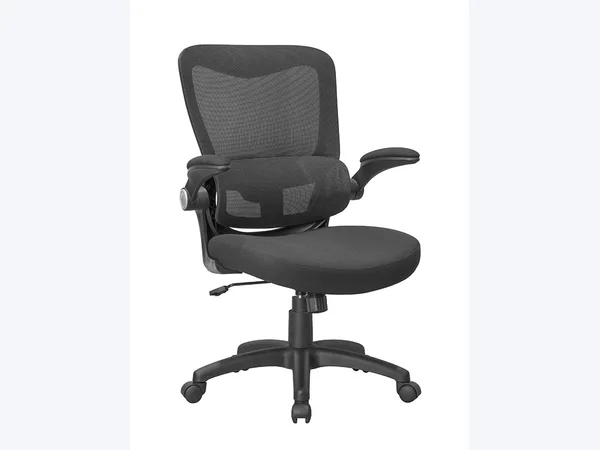
A chair that ships by the container has an easy life compared with one that ships one carton at a time through a parcel network. Pallet freight gets handled gently and rarely; a courier package gets thrown, stacked, vibrated for hours and sometimes dropped on a corner. If your chairs sell on a marketplace and ship individually, the test that predicts how they arrive is ISTA 3A, not the container loading plan.
What ISTA 3A actually does to a carton
ISTA Procedure 3A is the general-simulation test for individually packaged products moving through a parcel system at 70 kg (150 lb) or less — which is almost every flat-packed chair. It is not a single drop. The sequence combines atmospheric conditioning, random vibration tuned to truck and optional air transport, and a shock sequence of drops — commonly eight for a standard package, at varying heights and onto different faces and corners. The point is to reproduce, in a day, the abuse a carton takes across a whole journey.
The reason corner and edge drops matter for chairs is specific: a five-star base spoke and the gas-lift collar are the first things to crack when a heavy carton lands on a corner. Foam and mesh almost never fail in transit. The base, the cylinder housing and the backrest mount do.
Drop height scales with weight
One detail buyers miss: the drop height in a parcel test is not fixed — it scales inversely with package weight, because couriers throw light boxes harder than heavy ones. A 5 kg flat-pack carton gets dropped from a higher point than a 25 kg one. That matters for chairs because a lightweight mesh chair in a thin carton can actually see a rougher drop profile than a heavier executive model, even though it feels more fragile to over-pack the heavy one. We set the protection by the tested drop height for that exact weight class, not by gut feel — which sometimes means the light chair needs the better corner blocks, not the heavy one. It is the opposite of what most people guess.
When you actually need it
If your chair ships on pallets to a distribution centre and gets handled by forklift, ISTA 3A is overkill — a container and pallet test profile fits better. The moment a SKU is sold online and goes out as a single parcel, 3A is the relevant test, because the parcel network is what will damage it. Marketplaces that certify their own packaging lean on ISTA-style transit testing for exactly this reason. Tell us the channel and we match the test to it; we will not sell you a 3A report on a pallet-only line.
The trade-off: packaging cost vs damage rate
Passing 3A usually means more packaging — thicker corrugate, moulded EPE or pulp corner blocks, sometimes a double-wall carton. That adds cost per unit and a little CBM, so you fit slightly fewer per pallet or container. Here is the honest math we put in front of buyers: a parcel chair with a two percent in-transit damage rate costs you the replacement, the return freight both ways, and a one-star review that suppresses the listing. A few extra cents of corner protection that takes the damage rate under half a percent pays for itself before the second container. Over-pack a pallet-only line, though, and you are just shipping air. Match the protection to the channel.
How we handle it
We design the carton for the channel you tell us, build to the relevant transit profile, and ISTA 3A testing can be arranged through a third-party lab per order — we do not pre-print a pass that may not match your final pack. We also keep a drop station on site for our own checks, so a packaging change gets sanity-tested before it goes to the lab. The OEM / ODM workflow books transit testing at the sample stage so a packaging failure is caught on one carton, not a full marketplace launch.
Send us the chair, the sales channel and your acceptable damage rate, and we will spec a carton and quote both the packaging and the ISTA option. Reach us via the contact form or [email protected].